Special Hazard Fire Protection Systems
Some environments simply cannot rely on a standard sprinkler system as their first and only line of defense. When the equipment being protected is irreplaceable, when a fire could trigger a prolonged shutdown, or when water-based suppression would cause as much damage as the fire itself, a purpose-built approach is required. That is what special hazard fire protection is designed to address.
At Valley Fire Control, our technicians are trained and certified across the full spectrum of special hazard suppression technologies, detection systems, and alarm integration. We have been serving Oregon and Idaho since 1952, and that depth of experience shapes how we evaluate risks, recommend systems, and support facilities long after installation.
What Makes an Environment a Special Hazard
A special hazard is any area where the critical nature of the operation, the value of the assets, or the nature of the materials present creates fire risks that standard protection cannot adequately manage. The key questions to ask: Can these assets be replaced? Can your operation afford downtime caused by fire damage? Are redundant systems available if this one goes offline?
Common special hazard environments include:
- Data centers and server rooms
- Commercial kitchens and food service facilities
- Industrial processing and manufacturing plants
- Chemical storage and flammable liquid areas
- Power generation and utility facilities
- Aircraft hangars and transportation facilities
- Laboratories and research spaces
- Healthcare facilities
- Museums, archives, and irreplaceable asset storage
- Battery storage systems and energy infrastructure
- Marine vessel engine rooms and machinery spaces
- Vehicle bays and mobile equipment
Each of these settings requires a system engineered for its specific hazard profile. What works in a restaurant hood does not work in a server room, and what works in an aircraft hangar does not work in a laboratory.
A Complete Fire Protection Approach
Effective fire protection in a special hazard environment is not just about suppression. A complete, coordinated system connects early detection, alarm notification, and suppression response into a single integrated layer of protection.
Detection systems identify smoke, heat, or hazardous gas at the earliest possible stage. Alarm systems communicate those signals to building occupants, monitoring services, and emergency responders. Suppression systems then respond with the agent suited to the specific fire class and environment.
When these three components work together, fires are caught earlier, alerts reach the right people faster, and suppression agents are applied before damage escalates. Valley Fire Control designs and supports systems where detection, alarm, and suppression operate as a coordinated unit. Our Edwards fire alarm systems integrate directly with suppression controls to enable this kind of seamless response.
Suppression Systems for Special Hazard Environments
The right suppression system depends on the hazard type, the environment, and the assets being protected. Valley Fire Control works with the full range of technologies used in special hazard applications.
Clean Agent Systems
Our engineered clean agent systems use gaseous agents, including FM-200, Novec 1230, and Halon for existing installations, to suppress fires without leaving residue. Clean agents discharge as gases, allowing them to permeate into equipment enclosures and reach fires that water cannot. They are non-conductive and non-corrosive, safe for use around live electrical systems, and EPA SNAP-approved agents are safe for occupied spaces at recommended design concentrations.
Common applications: data centers, server rooms, control rooms, telecommunications facilities, and any environment where equipment continuity is critical.
Inert Gas Systems
Our inert gas suppression systems reduce the oxygen concentration within a protected space to a level that cannot sustain combustion. Systems use naturally occurring gases such as nitrogen, argon, or blends like IG-55 and IG-541. They leave no residue and have zero environmental impact from the agent itself.
Typical applications: electrical rooms, data infrastructure spaces, archive facilities, and sensitive storage areas where clean suppression without chemical agents is required.
CO2 Systems
Carbon dioxide suppression works by displacing oxygen in the protected space. Our engineered CO2 systems are available in both high-pressure and low-pressure configurations, suited to industrial and machinery applications where rapid knockdown is the priority. These systems require careful safety planning because they displace oxygen in occupied areas.
Applications: industrial machinery spaces, power generation facilities, flammable liquid storage, and areas requiring total-flooding or local application suppression.
Dry Chemical Systems
Dry chemical suppression interrupts the chemical chain reaction of a fire using powder-based agents. Our industrial dry chemical systems are well suited to spray booths, fuel handling areas, flammable paint environments, and heavy equipment protection where rapid, effective knockdown is needed.
UL-300 Wet Chemical Kitchen Systems
Commercial kitchens are among the most common special hazard environments. Cooking oils and grease fires require a suppression agent specifically engineered for their re-ignition risk. Our UL-300 restaurant suppression systems protect cooking appliances, ventilation hoods, and ducts while meeting current NFPA 96 code requirements.
Foam Fire Suppression Systems
Foam systems are used where flammable liquids pose a risk of rapid, wide-area fire spread. A foam blanket suppresses vapors and prevents re-ignition. Common applications include aircraft hangars, fuel storage facilities, and chemical processing plants.
Water Mist Systems
Our water mist sprinkler systems use fine water droplets to absorb heat and displace oxygen, controlling fires with significantly less water than conventional sprinklers. Water mist is effective where water damage must be limited, including machinery spaces, historic buildings, museums, and confined areas where traditional sprinklers would cause collateral damage.
Pre-Action Sprinkler Systems
Our pre-action sprinkler systems require a confirmed detection event before water is released into the piping. This two-step activation process eliminates the risk of accidental water discharge, the right choice for data centers, libraries, sensitive records storage, and any facility where an unintended discharge would be devastating.
Deluge Systems
Where fires can spread rapidly across a large area, deluge fire suppression systems provide simultaneous coverage across all open sprinkler heads the moment the system activates. These systems are used in high-hazard industrial processing, transformer protection, aircraft hangars, and chemical environments where immediate total coverage is critical.
Aerosol Suppression Systems
Our aerosol fire suppression solutions use condensed aerosol agents to suppress fires in confined or hard-to-reach spaces. These systems are particularly effective for engine compartments and enclosed machinery areas where conventional piped systems are impractical.
Vehicle and Marine Systems
Mobile equipment and marine vessels present unique fire risks that require systems engineered for confined spaces, vibration, and exposure to fuel sources. Our vehicle fire suppression systems protect heavy equipment cabins and engine compartments, while our marine fire suppression capabilities cover engine rooms and machinery spaces on vessels of various sizes.
Pre-Engineered vs. Engineered Systems
Pre-engineered systems are factory-designed and tested for defined applications within specific parameters; kitchen hood suppression and small equipment enclosures are typical examples. They deploy faster and are cost-effective for standard scenarios.
Engineered systems are custom-designed for a specific facility, hazard type, and layout. They are required for more complex environments such as data centers, industrial facilities, and multi-zone suppression installations. Valley Fire Control designs and installs both.
Detection and Alarm Systems for Special Hazards
Detection is where fire protection begins. In a special hazard environment, early warning can be the difference between a contained incident and a catastrophic loss. Common detection technologies used in these settings include:
- Photoelectric and ionization smoke detection
- Heat detectors and rate-of-rise devices
- Aspirating smoke detection (ASD) for very early warning in critical spaces
- Gas detection systems for environments with flammable or toxic gas hazards
- Flame detectors for fast-developing, open-area fires
These detection devices feed into the alarm and control panel, which coordinates the suppression response. Our Edwards fire alarm systems connect detection signals directly to suppression system controls, reducing response time and ensuring all elements act in sequence. We also provide fire system integrity testing to verify that each component performs as designed before the system is placed in service, and on an ongoing basis thereafter.
Inspection, Testing, and Ongoing Maintenance
A special hazard system that has not been properly maintained offers unreliable protection. All systems require periodic inspection and functional testing to remain code-compliant and operationally ready.
Valley Fire Control provides:
- Annual system inspections and documentation
- Functional testing of detection devices and alarm signaling
- Agent-level and cylinder pressure verification
- Control panel diagnostics and programming checks
- Component repair and replacement
- Post-discharge servicing and recharge
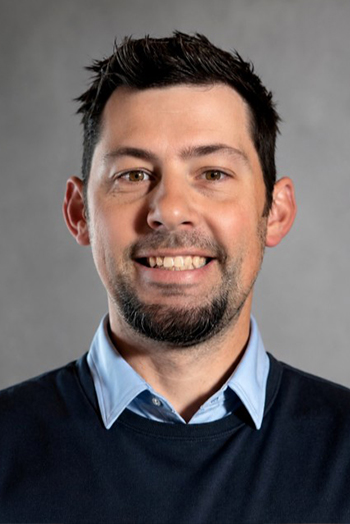
Our technicians hold ICC certifications in pre-engineered suppression systems, industrial dry chemical systems, and portable fire extinguishers. General Manager Kyle Cox holds NICET Level III certification in special hazards, with expertise built over 22 years in the field and at every level of the business.
Facilities That Use Special Hazard Fire Protection Systems
Special hazard systems are used across a wide range of clients and environments. The facilities we protect include:
- Industrial and manufacturing operations
- Commercial kitchens and food service businesses
- Data centers and technology facilities
- Healthcare and laboratory environments
- Marine vessels and waterfront operations
- Agricultural and food processing facilities
- Energy and utility infrastructure
- Cold storage and distribution centers
With locations in Albany, Newport, and Nampa (Idaho), we maintain coverage across Oregon and Idaho, close enough to provide responsive, relationship-based service.
Why Choose Valley Fire Control
Special hazard systems require careful planning, qualified installation, and consistent ongoing service. Valley Fire Control supports facilities with the technical depth and the operational history to handle complex fire protection challenges.
Our team provides:
- More than 70 years of fire protection experience, based in Albany, Oregon, since 1952
- ICC Certified technicians across suppression, detection, and extinguisher service categories
- NICET Level III certification in special hazards through our technical leadership
- Full-service capabilities: design support, installation, inspection, testing, and repair
- NAFED, ORFED, FSSA, and NFPA membership
- 24-hour emergency availability
In 2026, Kyle Cox was honored with the NAFED Norb Makowka Award, one of the fire protection industry's most respected recognitions for service, integrity, and professional contribution. That standard of expertise runs through every system we design and every technician we put in the field.
Contact Valley Fire Control for Special Hazard Fire Protection
Facilities with special hazards require systems that match the actual risks present. Detection, alarm, and suppression must work together to provide reliable, code-compliant protection.
Valley Fire Control provides design support, installation, inspection, and ongoing maintenance for special hazard fire protection systems across Oregon and Idaho. Our team can evaluate your facility and recommend the appropriate systems based on your environment and hazard profile.